
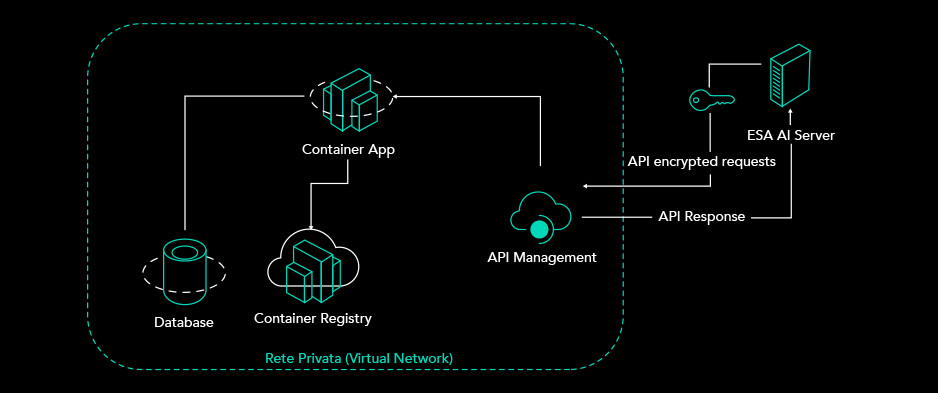
AI Framework for HMI development
ESA has developed a project focused on applying configuration themes and software functionality development based on AI concepts. This has led to the creation of an AI layer designed to enable facilitation features in the development of the human–machine interface (HMI).
When AI Strikes: How Artificial Intelligence Is Reshaping Cyber Threats
In recent years, artificial intelligence has evolved from being simply a tool that supports cybersecurity into a powerful enabler of threats. This is not just a technological shift. It fundamentally changes how attacks are conceived and carried out, making them faster, more widespread, and far easier to execute.
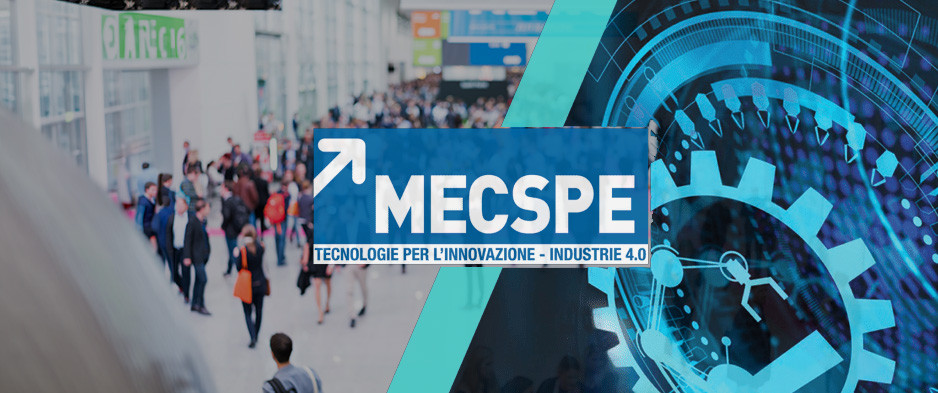
MECSPE Bologna 2026: Key Highlights from the Manufacturing Industry Fair
The 2026 edition of MECSPE in Bologna closed with strong attendance and encouraging signs for the sector. The event welcomed over 60,000 visitors and confirmed its role as one of the main reference points for the Italian manufacturing industry. This result reflects a continued willingness to invest in innovation, even in today’s complex environment.
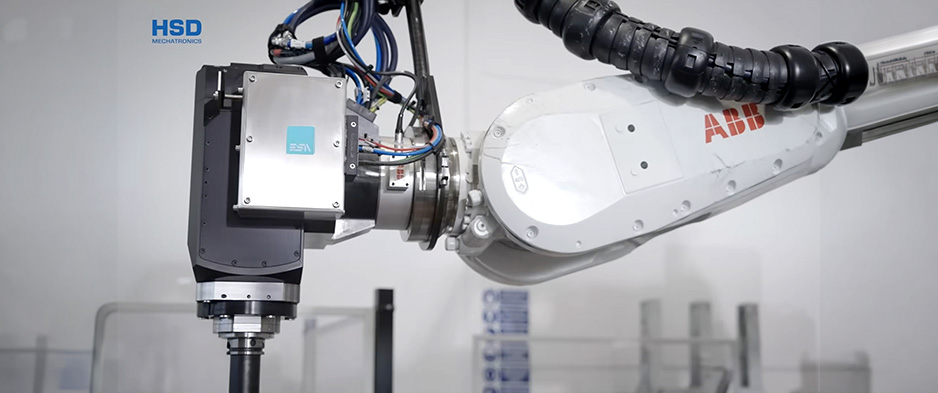
New ESA F 4000LT Cell: Efficiency in Foundry Operations
ESA Automation & Robotics introduces the new F 4000LT robotic cell for the foundry market, an advanced solution designed to meet the increasingly demanding requirements of the industrial sector in terms of automation, quality, and production continuity.

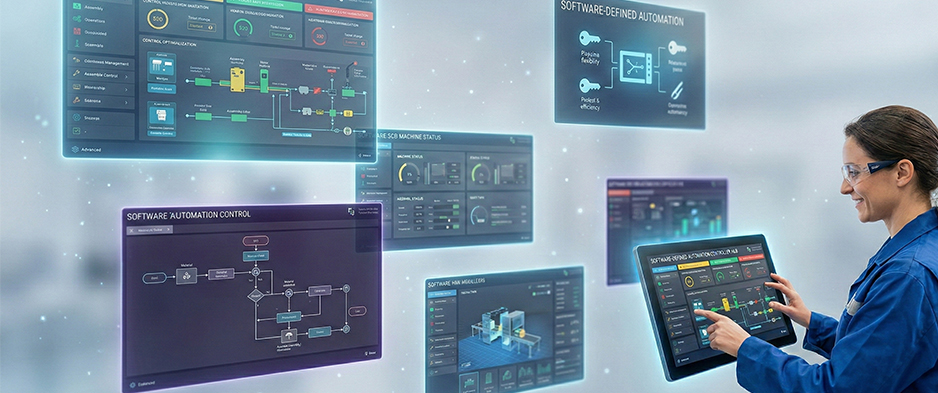
Software-Defined Automation: software replaces proprietary hardware
Software-defined automation represents the next step in the evolution of the manufacturing industry, where software takes control of production processes and opens the way to more flexible, intelligent, and integrated plants. If Industry 4.0 laid the foundations for digitalization, Industry 5.0 moves toward more resilient, sustainable, and human-centered models. In this context, software takes on a strategic role as the element that enables flexibility, integration, and rapid adaptation of production systems.
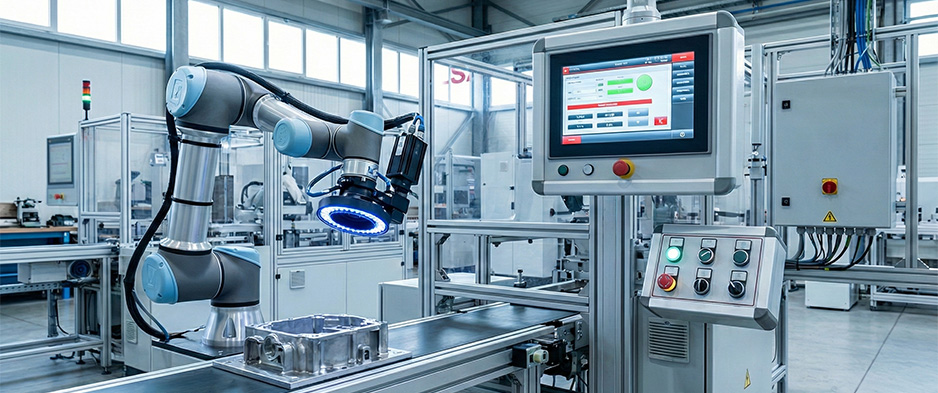
Physical AI: When Artificial Intelligence Moves into the Factory Floor
Within the Industry 5.0 framework, artificial intelligence is becoming increasingly hands-on. It is no longer limited to data analysis or decision support: AI is now embedded directly into production processes. Machine vision systems inspect quality in real time, robots adjust to part variability, and smart platforms can detect early signs of instability or unplanned downtime. This is where the concept of Physical AI comes into play, operating inside the physical reality of the factory.
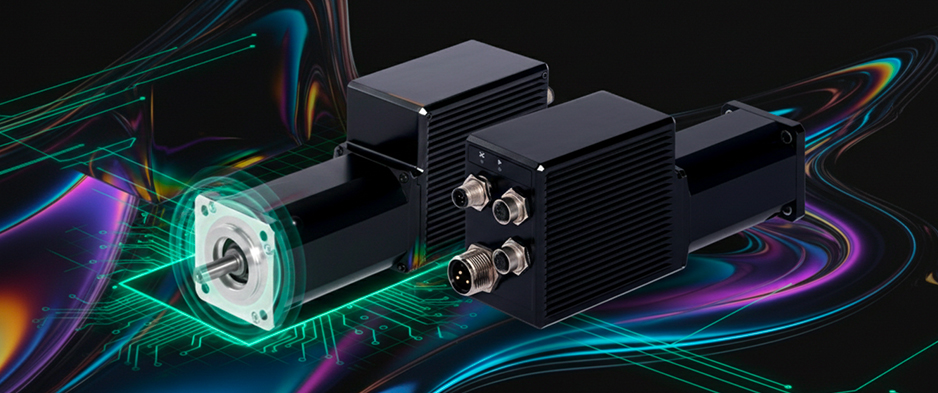
EWDB: Compact and Efficient Servo Drive
The EWDB integrated servo drive from Esa Automation & Robotics is the perfect solution to meet the demands of modern automation. Designed for compact, modular, and energy-efficient machines, the EWDB combines motor and drive into a single unit, optimizing space and simplifying wiring. Ideal for machine builders and system integrators, it’s the smart choice to boost productivity, efficiency, and flexibility.

AI Act: Italy Is the First EU Country to Implement the Regulation
With the approval of Law No. 132 of 2025, Italy becomes the first country to fully align with the AI Act, the EU’s landmark regulation setting common rules for the use of artificial intelligence. The new national law provides businesses with a clear regulatory framework designed to balance innovation and safety. It marks a major regulatory milestone for the responsible management of AI in Italy, positioning the country as a reference point within the European regulatory landscape.
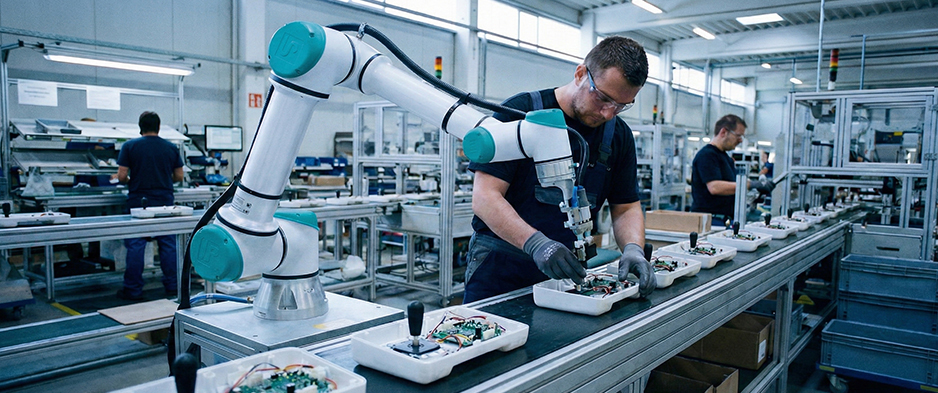
Industrial Robotics 2026: toward more predictive, collaborative, and autonomous systems
Industrial robotics in 2026 is not just an automation lever, but a true driver of operational intelligence. Robots are increasingly able to anticipate what is coming, collaborate with people and adapt to production environments in real time. Powered by AI, advanced sensing and deep digital integration, this evolution is reshaping how manufacturing processes are designed and how factories operate.